Source Natural Gemstone Enamel Ring for Wedding, Gift, Decoration
Compare 30 natural gemstone enamel ring options featuring adjustable sizes, various colors, and custom logo services. Buyers can evaluate styles ranging from retro to fashion, with materials like stainless steel and diverse stone inclusions for wedding, gift, and decoration uses.
Key considerations
Products List


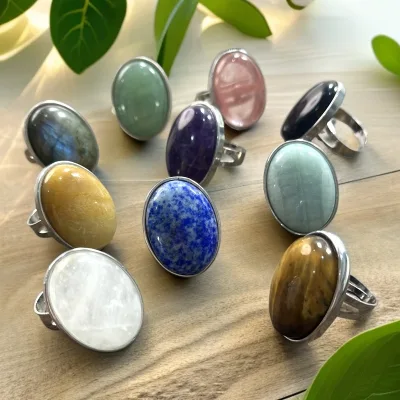
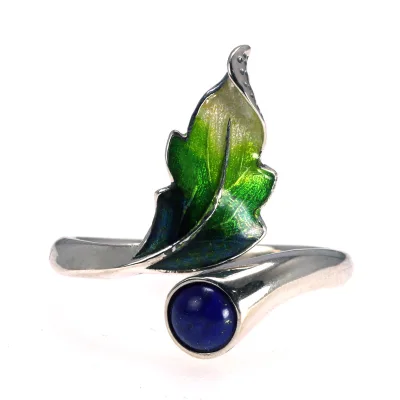
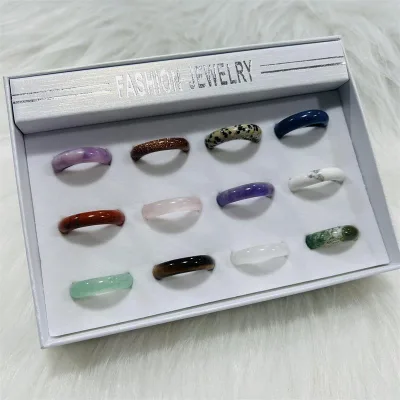
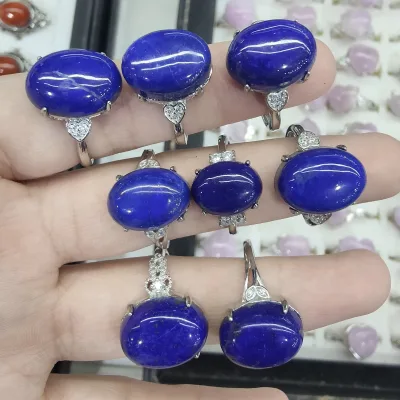
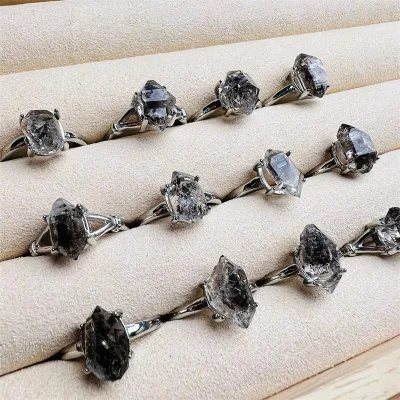
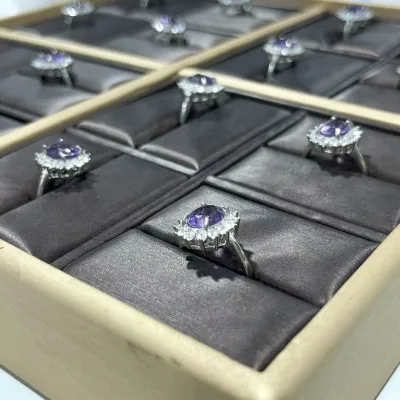
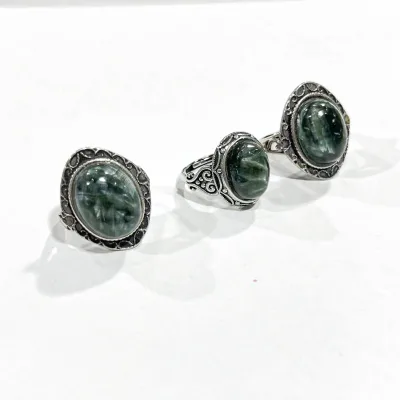


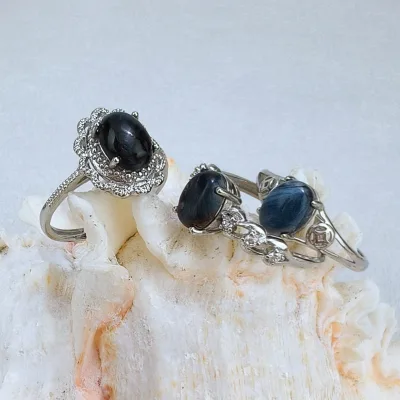
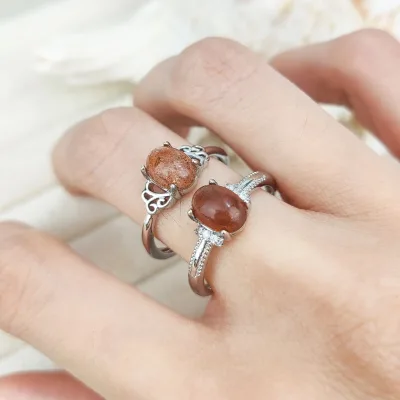
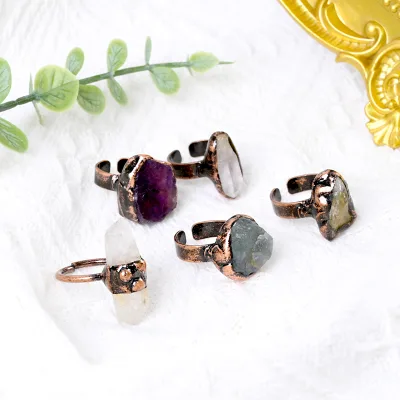


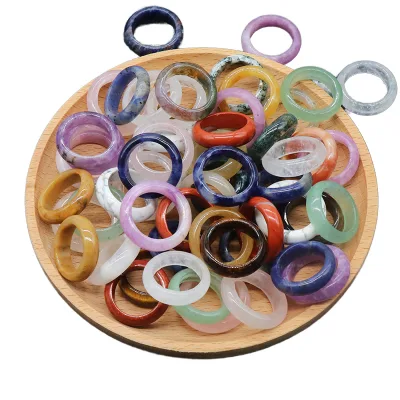


Comprehensive Sourcing Guide
Natural Gemstone Enamel Ring Sourcing Guide
Sourcing natural gemstone enamel rings requires a nuanced understanding of material compatibility and aesthetic execution. Buyers must recognize that combining organic stone elements with synthetic or metallic enamel finishes creates distinct visual contrasts that appeal to diverse market segments. The presence of adjustable sizing and mixed-color options in current listings suggests a strong demand for versatile, fashion-forward jewelry that accommodates various hand sizes and personal style preferences. This versatility is particularly relevant for gift-oriented purchases where the recipient’s specific preferences may be unknown.
Procurement teams should prioritize suppliers who demonstrate expertise in handling both delicate gemstones and durable enamel coatings. The observed product attributes indicate a focus on retro and fashion styles, often featuring heart or round shapes that resonate with wedding and decorative usage scenarios. Understanding these stylistic cues helps buyers align their inventory with seasonal trends and specific consumer demographics. By focusing on these observed design elements, purchasers can better anticipate market reception and manage stock levels effectively.
Product Scope and Observed Listing Signals
The current market landscape for natural gemstone enamel rings reveals a diverse array of design possibilities, ranging from simple black and silver finishes to complex multi-stone arrangements. Listings frequently highlight customization options, allowing buyers to tailor logo services and stone selections to their brand identity. The availability of materials such as stainless steel and various gemstones like amethyst, jade, and tiger eye indicates a broad supply base capable of supporting varied aesthetic requirements. This flexibility is crucial for brands seeking to differentiate their offerings in a crowded marketplace.
Observed listing signals also point to a strong emphasis on packaging and presentation, with items often shipped in OPP bags to ensure protection during transit. The presence of specific model numbers and standard dimensions suggests a structured approach to inventory management among suppliers. Buyers should note that while some products feature fixed sizes, others offer adjustable rings, catering to a wider customer base. These signals collectively indicate a mature supply chain that balances mass production capabilities with the ability to handle bespoke requests for specific design elements.
Technical Specifications to Verify
When evaluating technical specifications, buyers must verify the integrity of the gemstone settings and the durability of the enamel application. The fabrication processes observed, such as polishing and gem mounting, are critical indicators of craftsmanship quality. It is essential to confirm that the stones are securely set to prevent loss during wear, especially for rings intended for daily use. Additionally, the finish quality, whether it involves gold plating, silver plating, or simple polishing, should be assessed for resistance to fading and tarnishing, ensuring long-term aesthetic appeal.
Dimensional accuracy and material composition are equally important verification points. Buyers should request detailed specifications regarding ring sizes, noting that some products offer adjustable features while others are fixed. The origin of materials, particularly the source of the natural gemstones, should be documented to ensure authenticity and ethical sourcing compliance. Furthermore, verifying the standard dimensions and packaging requirements helps in planning logistics and storage efficiently. These technical checks form the foundation of a reliable procurement strategy.
Compliance and Safety Documentation
Compliance with international safety standards is non-negotiable for jewelry imports, particularly concerning metal content and chemical treatments. Buyers must ensure that all metal components, including platings and bases, comply with regulations regarding lead, cadmium, and nickel release. This is especially critical for products marketed towards sensitive skin demographics or children. Documentation from suppliers should include test reports from accredited laboratories confirming that the materials meet relevant safety thresholds, thereby mitigating legal risks and protecting brand reputation.
Environmental and ethical sourcing documentation is also becoming increasingly important in the jewelry sector. Buyers should inquire about the provenance of the natural gemstones to ensure they are conflict-free and sourced responsibly. Certifications such as those from the Kimberley Process for diamonds or similar frameworks for other gemstones provide assurance of ethical supply chains. Additionally, verifying that the enamel and other coatings are free from hazardous substances aligns with growing consumer demand for sustainable and safe products.
Cost Drivers and Commercial Terms
Cost structures for natural gemstone enamel rings are influenced by several key factors, including the type and quality of gemstones used, the complexity of the design, and the chosen plating or finishing techniques. Premium stones like jade or amethyst will naturally increase the base cost compared to more common materials. The level of customization, such as logo engraving or specific stone substitutions, also adds to the overall expense. Buyers should analyze these variables to understand the true cost drivers and negotiate effectively with suppliers.
Commercial terms, including minimum order quantities and payment conditions, vary significantly among suppliers. Observed MOQ ranges suggest flexibility, but buyers should aim for volumes that optimize production efficiency without overstocking. Lead times can be affected by the customization level and the current demand for specific materials. It is advisable to establish clear agreements on pricing tiers, shipping responsibilities, and return policies for defective items. These terms directly impact the profitability and operational smoothness of the procurement process.
Supplier Qualification and Quality Control
Supplier qualification involves a thorough assessment of their manufacturing capabilities, quality control systems, and track record. Buyers should prioritize suppliers who demonstrate consistent quality in their gemstone setting and enamel application processes. Requesting samples is a critical step to evaluate the physical quality, including the finish, stone security, and overall aesthetic appeal. Suppliers with a history of successful exports and positive client feedback are generally more reliable partners for long-term collaboration.
Quality control protocols should be clearly defined and enforced throughout the production process. This includes pre-production checks on materials, in-process inspections during assembly, and final random inspections before shipment. Buyers should specify acceptable defect rates and require detailed inspection reports from suppliers. Establishing a clear communication channel for addressing quality issues ensures that problems are resolved promptly. A robust quality control framework minimizes the risk of receiving substandard products and protects the buyer’s brand integrity.
Long-Term Procurement Checks
Long-term procurement success depends on continuous monitoring of supplier performance and market trends. Buyers should regularly review supplier metrics, including on-time delivery rates, product quality consistency, and responsiveness to issues. Building a strong relationship with suppliers can lead to better pricing, priority production, and access to new designs. Regular communication and periodic audits help maintain high standards and ensure that suppliers remain aligned with the buyer’s evolving needs and expectations.
Market analysis is also crucial for staying competitive. Buyers should keep abreast of emerging trends in gemstone jewelry, such as new color preferences or design styles. Adapting the product range to meet changing consumer demands can drive sales and customer loyalty. Additionally, exploring opportunities for product diversification, such as introducing new stone types or finishing techniques, can open up new market segments. A proactive approach to procurement ensures sustained growth and resilience in a dynamic marketplace.
FAQs
Can natural gemstone enamel rings be customized with different stones or logos?
Yes, customization is available for these rings. Suppliers can change the gemstone to alternatives such as amethyst, rose quartz, tiger eye, or lapis, and logo services are typically offered for branding. Contact the supplier with your design requirements, preferred stone type, and order quantity so they can confirm feasibility, sample costs, and production timelines before you commit to a bulk order.
What materials and craftsmanship are used for these natural gemstone enamel rings?
These rings are made from stainless steel with gemstone accents, finished through casting, polishing, and plating techniques such as gold plating. Stainless steel construction supports an enamel-style finish that resists fading during normal wear. Each listing may use different processing combinations, so review the individual product attributes and request a sample to verify finish quality before placing larger orders.
What is the typical minimum order quantity and price range for these rings?
Minimum order quantities vary across listings, generally ranging from 1 piece for sample-friendly items up to 100 pieces for bulk variants. Prices observed on the product pages range roughly from 0.1 to 34 US dollars depending on materials, stone type, and finish. Confirm the exact MOQ and current unit pricing directly with each supplier, since costs can change with customization requests.
How are the rings packed and what are the standard product dimensions?
Standard packing is an OPP bag per ring, which protects the finish during transit and keeps shipping costs low. A listed standard size for one model is 5 by 7 by 8 centimeters, though dimensions can vary by design and adjustable ring sizing. If you need upgraded retail packaging, discuss options with the supplier as custom packing is commonly negotiable with customization available.
Which stone options are available for the natural gemstone enamel ring designs?
Available stone options across the range include black obsidian, green aventurine, amazonite, white quartz, amethyst, white jade, moss agate, labradorite, red agate, lapis, jade, African bloodstone, sodalite, rose quartz, agate, tiger eye, red jasper, and unakite, among others. Many listings allow the stone to be changed, so you can request a specific gemstone for your market. Verify stone availability and any price difference before ordering.
Can I get adjustable ring sizes or one-size designs for wholesale orders?
Yes, some models in this range offer adjustable ring sizing, while others are listed in one size or size S options. Adjustable bands are practical for mixed retail inventories because they reduce the number of stock sizes you need to carry. Check the specification field on each product listing and confirm sizing details with the supplier, especially if you plan to resell in multiple regions.
What is the origin of these rings and how should I evaluate suppliers?
The products originate from China, with one listed origin in Jiangsu province. When evaluating suppliers, review the product attributes such as material, craft, customization availability, and logo service, then request samples to assess plating durability and gemstone quality. Comparing several listings by price, MOQ, and packing options helps you identify the best fit for your target market and order volume.
How durable is the finish, and will the ring color fade over time?
The listings indicate the finish does not fade, which reflects the stainless steel base and plated or polished surface treatment. Real-world durability still depends on wear conditions, exposure to water, chemicals, and abrasion. To validate longevity for your own standards, order samples and test them under typical customer use, and ask the supplier about plating thickness and recommended care instructions.